Oliver Simons
Oliver Simons is Professor of German in the Department of Germanic Languages at Columbia University. His current research explores the relationship between literature and money, tracing how monetary structures and linguistic form illuminate one another across a range of texts and theoretical frameworks. Broader research interests include literary theory, the cultural and intellectual formations of the period around 1800, literature and science, and postcolonial studies.
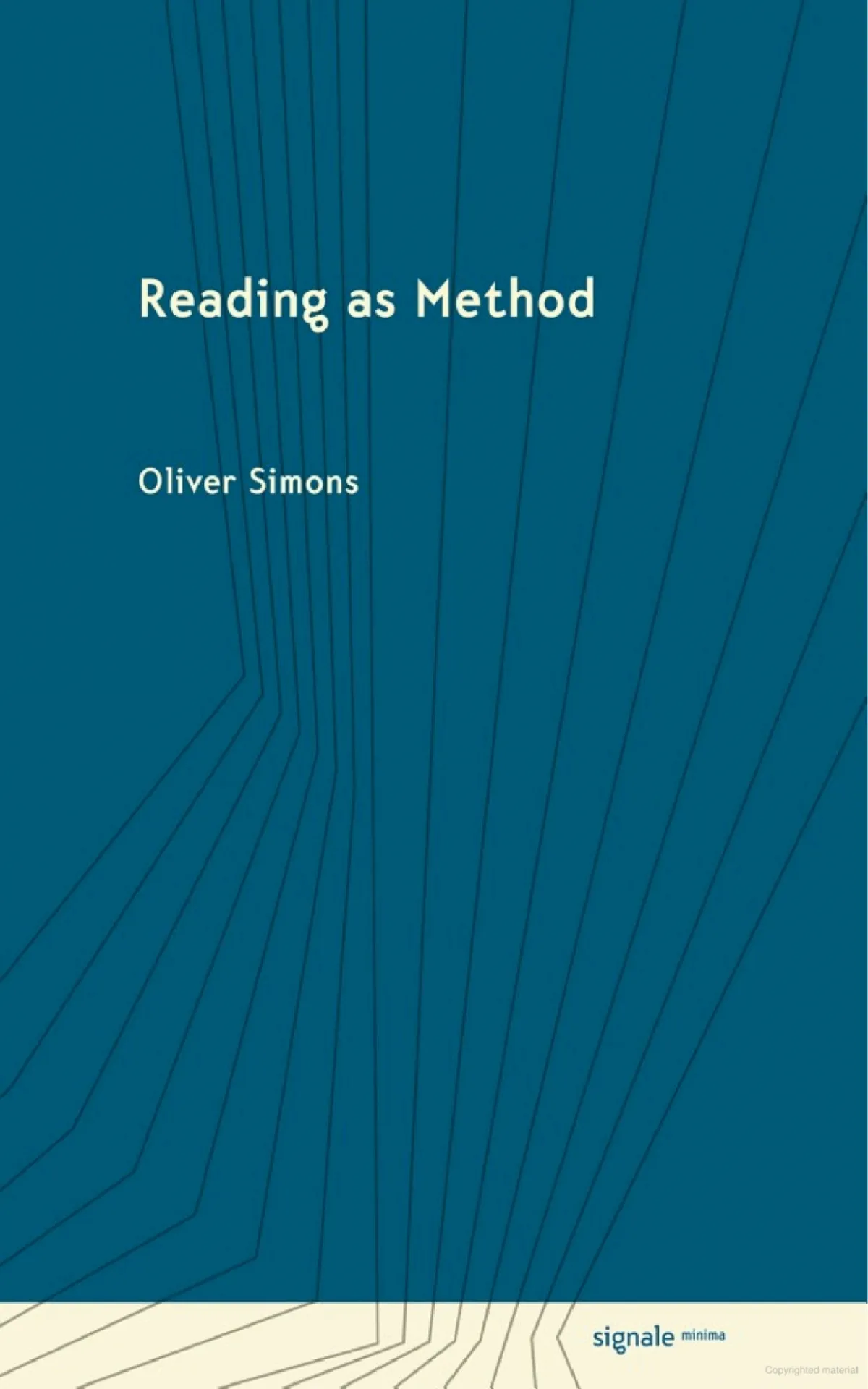
His most recent book, Reading as Method, offers a concise, systematic account of how readers engage with texts, arguing that behind the dizzying variety of reading methods — deep interpretation, surface reading, symptomatic or scattered reading, close textual analysis — lie three fundamental distinctions: depth versus surface, text versus context, and close versus distant. Returning throughout to Kafka’s unsettling 1920 story “A Country Doctor,” the book equips readers to see how critics think, question the blind spots in every technique, and reclaim reading as an active, even subversive, pleasure. He is currently completing a further monograph, tentatively titled The Form of Theory: A Genealogy of Critical Style, which revisits the foundations of literary and cultural theory and traces their genealogy across the twentieth century.
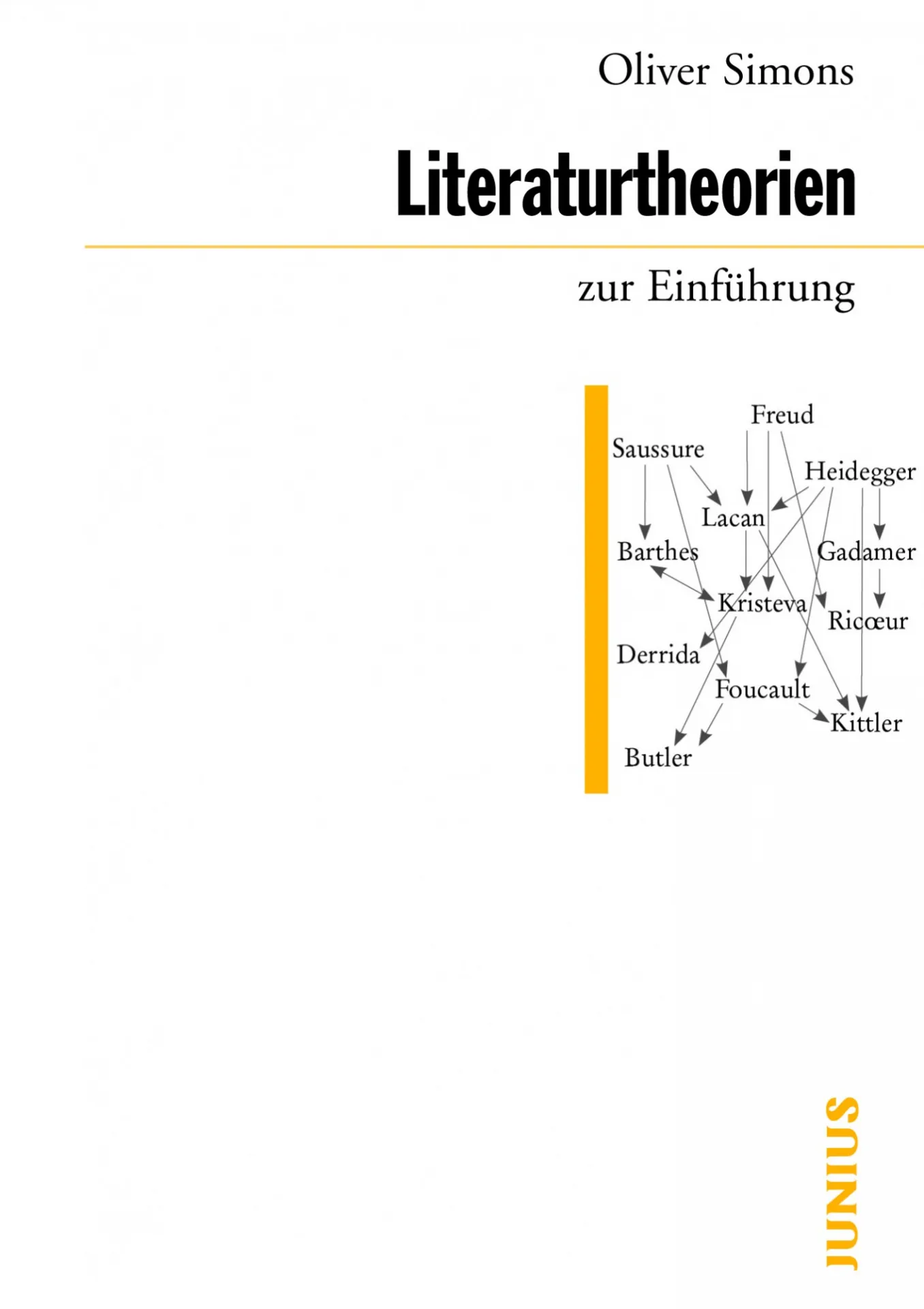
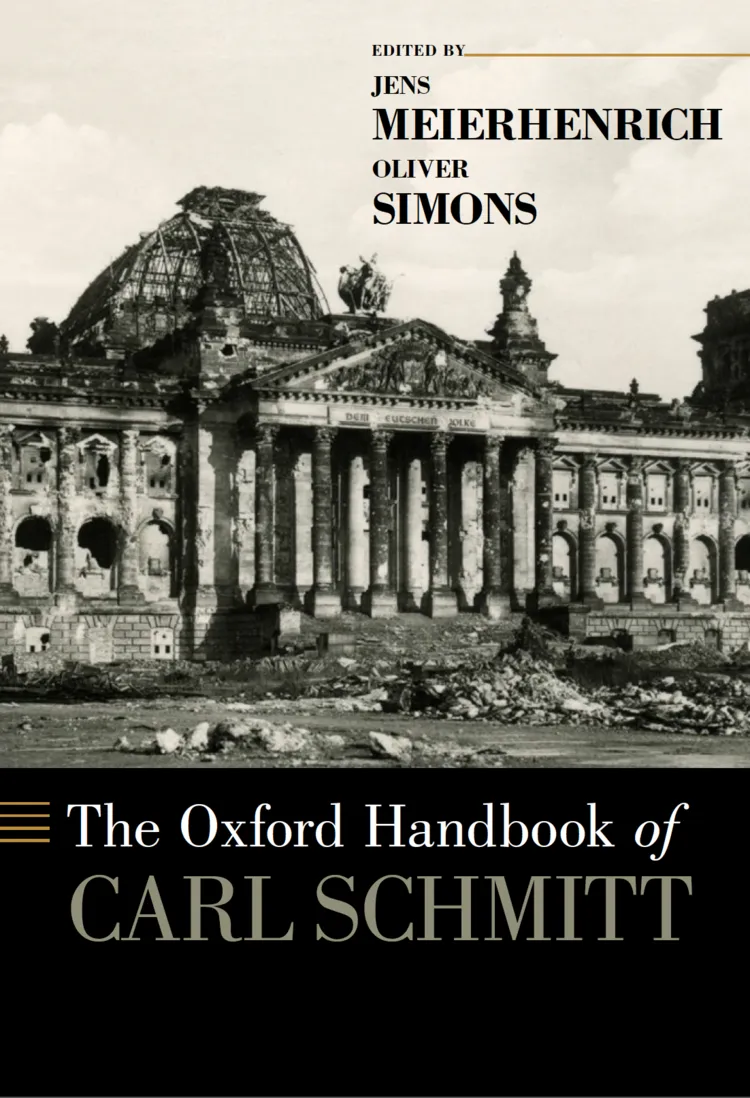
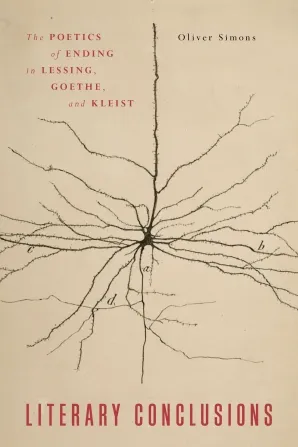
His previous book, Literary Conclusions: The Poetics of Ending in Lessing, Goethe, and Kleist, presents a new theory of textual endings in eighteenth-century literature and thought. Analyzing essential works by Lessing, Goethe, and Kleist, Simons shows how the emergence of new kinds of literary endings around 1800 is inextricably linked to the history of philosophical and scientific concepts — examining how Lessing’s endings interrelate with modes of logical conclusion, how Goethe’s narrative closures are forestalled by an uncontrollable vital force debated in the sciences of the time, and how Kleist conceived of literary genres themselves as forms of reasoning, his endings marking the beginning of modernism. Earlier monographs include Raumgeschichten: Topographien der Moderne in Philosophie, Wissenschaft und Literatur (Wilhelm Fink Verlag, 2007), a comparative study of spatial concepts across philosophy, empirical psychology, art history, and literature around 1900 that reconstructs modernity’s investment in mapping, orientation, and topographic thought, and Literaturtheorien zur Einführung (Junius Verlag, 2009), a systematic introduction to literary theories moving from structuralism and semiotics through psychoanalysis, deconstruction, and cultural critique. He has co-edited volumes on German colonialism (Francke Verlag, 2002), Kafkas Institutionen (Transcript, 2007), Ingeborg Bachmann and the media (Vorwerk, 2008), and The Oxford Handbook of Carl Schmitt, a comprehensive reference work that brings together leading scholars to assess Schmitt’s legal and political thought and its contested legacies.
Simons’ articles and essays have appeared in a wide range of scholarly journals and edited volumes in the fields of German studies, literary theory, and intellectual history. He is Executive Editor of the peer-reviewed journal The Germanic Review: Literature, Culture, Theory, one of the leading journals in the field.